

How Many Years Can a Roof Typically Last in Canandaigua, NY?
Most residential roofs in Canandaigua, NY last between 15 and 30 years, depending on the material and the quality of installation. Variations in the region’s weather—from heavy lake-effect snow in winter to summer thunderstorms—play a major role in determining a roof’s actual lifespan.
Different roofing materials wear out at different rates. For example:
- Asphalt shingles (the most common material in local homes): 15 to 25 years
- Architectural shingles: 20 to 30 years or more
- Metal roofing: often 40 years or longer
- Slate and clay tile: potentially over 50 years with proper care
A roof’s longevity is not only about the material but also hinges on climate, ventilation, installation, and maintenance. The unique seasonal swings in the Finger Lakes region can cause materials to expand and contract more frequently, sometimes shortening a roof’s expected performance compared to drier or milder areas.
What Factors Affect How Long a Roof Lasts?
The largest influences are material choice, weather exposure, and maintenance routines. Here’s how each comes into play:
- Material durability: Some options handle local weather extremes better than others. For instance, metal sheds snow easily, while asphalt may suffer more rapid granule loss during freeze-thaw cycles common here.
- Installation quality: An expertly installed roof forms a better barrier against water and wind. Even top materials won’t last if underlayment, flashing, or ventilation are lacking.
- Weather: Snow accumulation, ice dams, and spring windstorms can all eat away at a roof. Roofs in full sun will also age faster than those shaded by mature trees.
- Ventilation and insulation: Poor attic ventilation can trap heat and moisture, leading to rot or ice dam formation in the colder months.
- Upkeep: Regularly clearing debris, gutters, and checking for damage after storms can prevent small issues from turning into major replacements.
Does the Age of Local Homes Impact Roof Longevity?
Many homes in the area have seen multiple generations of roofs. The age of the home isn’t as significant as when the current roof was last replaced and how well it’s been maintained since.
Older homes often have steeper rooflines or complex shapes, which can influence how long materials last. Some local historic homes still use specialty materials like slate, which can last for decades but may require occasional repairs or replacement tiles.
How Can Residents Tell When a Roof Needs Replacement?
While most roofs will survive for their full expected lifespan, certain warning signs suggest a roof is nearing the end of its serviceable life:
- Frequent missing or curling shingles
- Bald patches where granules are missing from asphalt shingles
- Water stains or leaks inside the attic, especially after storms
- Visible sagging in the roofline or decking
- Extensive moss growth, which can retain moisture and cause rot
Local households often notice these issues after harsh winters. Catching problems early can prevent costly water damage to ceilings, insulation, and even a home’s structure.
What About Repairs—Can They Extend Roof Life?
Small-scale repairs can certainly give a roof more useful years, especially if issues are isolated. Common local repairs include:
- Replacing a few missing or damaged shingles after windstorms
- Resealing flashing around chimneys or vents
- Cleaning moss buildup before it damages underlying materials
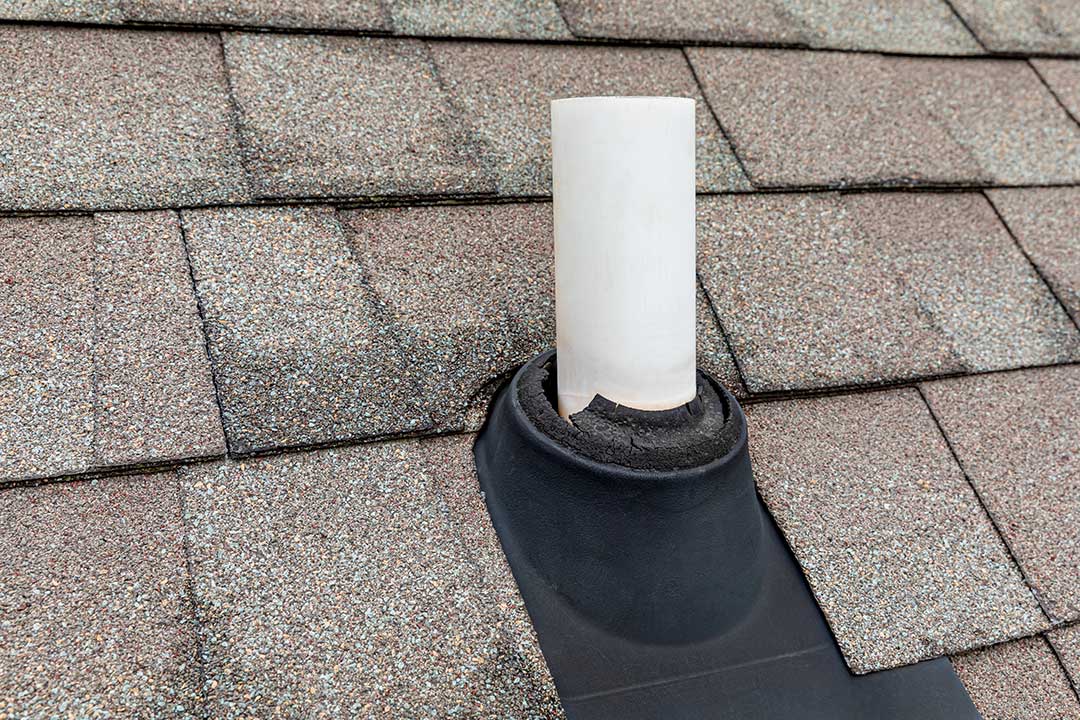
Nevertheless, repairs buy time but won’t stop an aging roof from eventually needing full replacement. A well-maintained roof is more likely to hit the upper end of its expected lifespan, but persistent leaks, extensive missing shingles, or structural sagging usually mean full replacement is the safest course.
Are There Misconceptions Locally About Roof Longevity?
It’s easy to overestimate how long a roof will last, especially if earlier generations of materials seemed to endure for decades. Some common misconceptions include:
- All asphalt shingles last decades by default: In reality, less expensive three-tab shingles often require replacement sooner than advertised, especially if exposed to significant wind or ice damming.
- “If it’s not leaking, it’s fine”: Many roof issues start in hidden places. By the time leaks appear inside, repairs may already be extensive.
- New roofs are maintenance-free: Even a new installation needs annual checks and seasonal gutter cleaning to preserve its lifespan.
How Can Local Weather Shorten or Extend a Roof’s Life?
Harsh winters are the greatest threat to roofing in the community. Repeated freeze-thaw cycles can crack brittle materials, and heavy snow loads may cause stress or damage if not cleared safely. Summer storms and rare hail also contribute to wear and tear.
Conversely, shading from trees can keep roofs cooler in summer, but falling leaves must be cleared to prevent clogged gutters—a common source of water backup and premature aging. Wind exposure is also a consideration for homes on hills or near the lake.
Practical Tips for Residents to Get the Most Years from a Roof
A long-lasting roof is the result of good choices and steady care:
- Check roofs visually at least twice a year, especially after winter
- Keep gutters clear to prevent water backup along the eaves
- Trim overhanging branches to limit moss or debris accumulation
- Make prompt repairs to shingles, flashing, and seals to prevent small problems from spreading
These habits help area households avoid unpleasant surprises and maximize the lifespan of their existing rooftops.
