
Why Do Unresolved Roof Problems Get Worse So Quickly in Canandaigua, NY?
Minor roof damage tends to escalate faster than many homeowners expect, especially in Canandaigua, NY, where weather plays a big role. The mix of heavy winter snow, spring rains, and summer humidity can turn a small leak or missing shingle into a much bigger issue within a season.
Small gaps, cracked shingles, or loose flashing give water a way in. Once moisture finds its way under roof materials, it can spread, weakening the roof structure, rotting wood, and even encouraging mold. Local homes with older asphalt shingles or complex rooflines are particularly at risk, as hidden areas aren’t always easy to inspect without looking closely.
What Are the Hidden Costs of Ignoring Roof Issues?
Delaying roof repairs often leads to expenses that go far beyond the initial fix:
- Increased water damage to ceilings, insulation, and interior walls
- Higher heating and cooling bills, as damp insulation loses its effectiveness
- The need for extensive mold remediation if issues go unnoticed
- More expensive structural repairs due to wood rot or weakened supports
One common misconception is that only interior leaks matter. In reality, water may be damaging attics, framing, and insulation without obvious drips inside. In Canandaigua, this risk is heightened by freeze-thaw cycles in late winter and early spring, which can force water deeper into small roof cracks and seams.
Can a Small Leak Wait Until Next Season?
Even what seems like a minor drip can become a major problem by the next thaw. Water often travels from its entry point, soaking wood and insulation along the way. Over several months, this can allow mold to take hold in hidden areas, risking air quality and health.
Especially in the Canandaigua region, heavy late-fall rain or a thick spring frost can quickly turn a manageable leak into a widespread issue. Delaying even small repairs can mean facing much higher repair bills by summer.
How Do Local Weather Patterns Impact Damage Costs?
Canandaigua’s distinct seasons mean roofs face more “weather stress” than in many parts of the country. Typical challenges include:
- Heavy lake-effect snowfall in winter, adding weight and causing ice damming
- Quick spring thaws, which force water under damaged shingles
- High summer humidity, encouraging moss or mold growth on damp wood
Ice dams are a particular concern. If a roof has minor ventilation issues or poor insulation, warm air from the house can cause snow to melt and refreeze at the gutter. This traps water on the roof, which then seeps into cracks or under shingles, making minor flaws far worse.
What Types of Home Damage Can Occur Beyond the Roof?
Roof problems rarely stay confined to the surface. When water finds its way in, the effects ripple through a home:
- Sagging or stained ceilings
- Peeling paint or bubbling plaster on walls
- Warped or rotting window casings
- Damage to electrical wiring or fixtures, which can become unsafe
- Mold and mildew on attic beams, insulation, and stored items
It’s also common for pests to enter through gaps created by water damage, like squirrels or birds finding their way into attics.
Is Roof Damage Always Obvious?
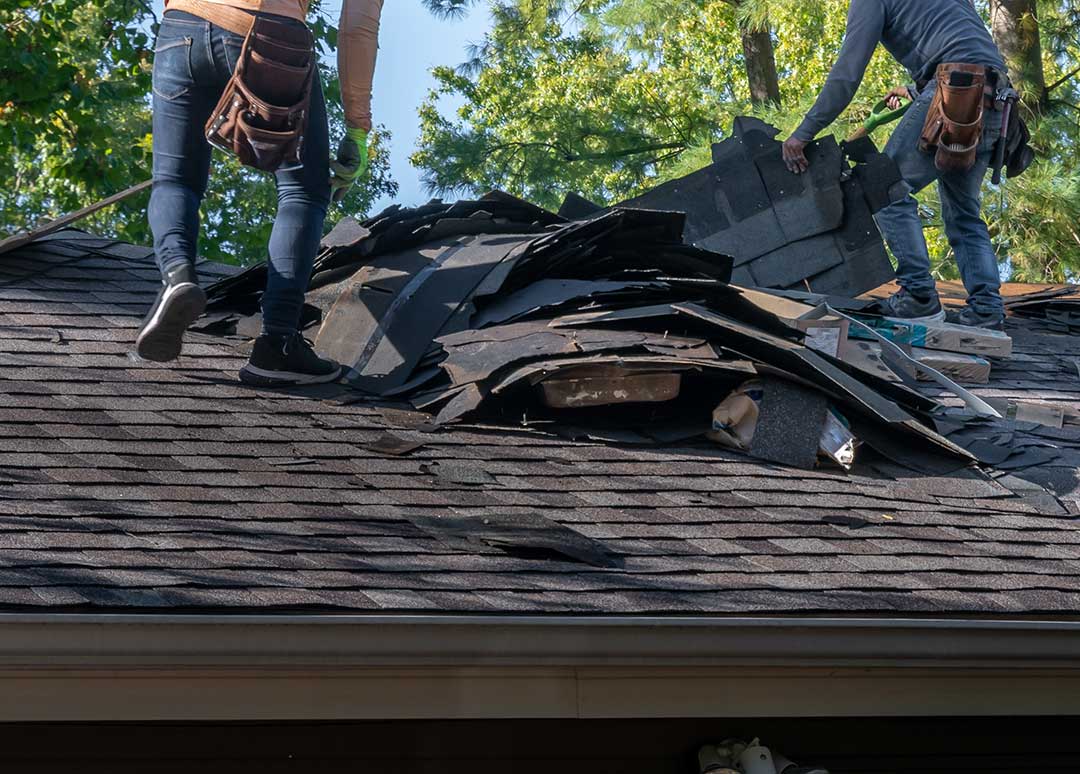
Not all roof issues are easy to spot. Some signs are subtle and often overlooked by homeowners, such as:
- Slight dips or soft spots when walking on the roof (a sign of underlying rot)
- Shingle grit collecting in gutters
- Dark streaks, which can indicate water flow or algae
- Musty smells in attics or crawl spaces
In older homes or those with complex rooflines, hidden valleys and intersections are particularly vulnerable. Annual visual checks from the ground, especially after severe storms, can help catch visible warning signs—but they won’t always catch every issue.
What Are Common Myths About Roof Longevity in This Area?
Many homeowners believe that because their roof came with a 20-, 30-, or 40-year shingle rating, regular inspection isn’t needed. However, local conditions in Canandaigua mean these ideal manufacturer lifespans aren’t always realistic. Factors specific to the city—like large trees overhanging roofs, strong wind gusts off Canandaigua Lake, and periods of heavy snow—can all reduce a roof’s functional lifespan.
Another misconception is that modern roofing materials are maintenance-free. While materials have improved, no roof is immune to wear and tear from the combination of weather, animals, and the passage of time.
What Steps Can Residents Take to Prevent Minor Problems From Snowballing?
Monitoring the condition of roofing materials every season is practical and effective. Especially during the spring thaw and after heavy storms or high winds, a quick visual inspection for:
- Missing, curled, or damaged shingles
- Blocked gutters or downspouts
- Moss, algae, or staining
- Signs of leaks in the attic or upper walls
Making timely repairs—such as replacing a missing shingle or sealing a flashing gap—typically costs far less than dealing with water-damaged ceilings or extensive mold treatment. Preventative steps like keeping gutters clear can also save area households major headaches, especially during the rainy season.
For safety reasons, any significant roof work or inspection beyond ground level should be done with proper equipment or by someone trained to navigate roofing surfaces, given the risks of falls or encountering hidden rot.
