
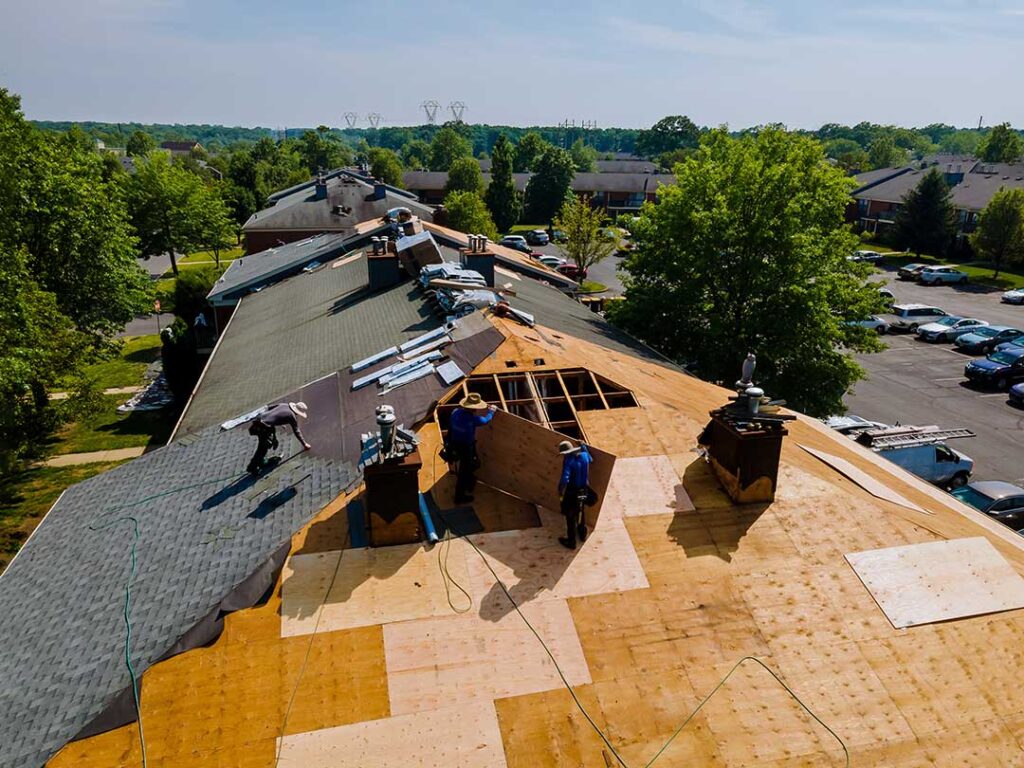
Solar panels can work well on many homes, but the roof should be evaluated before the equipment is ordered or installed. Roof age, structural condition, snow and wind exposure, shade, roof layout, and future repair needs all affect whether a rooftop system is a sensible long-term choice.
For homeowners in Canandaigua, the decision also involves seasonal weather. Snow, ice, freeze-thaw cycles, summer storms, and tree growth can influence both the roof and the solar array over time.
Is the existing roof ready for solar panels?
A roof should be in sound condition before panels are added. Solar equipment can remain in place for decades, so installing it over an aging roof may create avoidable problems later.
Look for signs that the roof may need attention first:
- Missing, cracked, curled, or badly worn shingles
- Soft areas or visible sagging
- Water stains in the attic or upper ceilings
- Damaged flashing around vents, chimneys, and skylights
- Heavy moss or persistent moisture-related deterioration
- More than one existing layer of roof covering
- A roof that is already near the end of its expected service life
NYSERDA advises that solar panels should not be installed on old or damaged roofs. If repair or replacement is likely within the next several years, completing that work before solar installation may reduce the chance of removing and reinstalling the panels later. ([nyserda.ny.gov](https://www.nyserda.ny.gov/All-Programs/NY-Sun/On-site-Solar/Homes/Solar-101?utm_source=openai))
A roof does not have to be new to support solar, but its remaining service life should reasonably match the expected period of panel ownership.
Can a roof support the added weight?
Most residential roofs can support a properly designed solar array, but that should not be assumed without evaluation. The panels, racking, fasteners, and related equipment add weight to the roof. Mounting also changes how wind and snow loads are transferred to the roof framing.
New York’s solar guidance identifies several factors for structural review, including the weight of the existing roof covering, the number of roof-covering layers, the type of racking, the height of the panels above the roof, framing dimensions and spacing, and location-specific wind and snow loads. ([nyserda.ny.gov](https://www.nyserda.ny.gov/-/media/Project/Nyserda/Files/Programs/NY-Sun/solar-guidebook.pdf?utm_source=openai))
This matters in Canandaigua because winter conditions can place additional temporary loads on a roof. A roof that performs well under ordinary conditions may still require closer review if it has older framing, multiple layers of shingles, previous alterations, or areas where snow tends to accumulate.
Structural concerns deserve particular attention when:
- The roof has visible sagging or movement
- The home is older or has unusual framing
- Solar equipment would be installed over an addition or porch
- The roof has multiple layers of shingles
- The array would be placed near a roof edge, valley, or snow-drift area
- Heavy roofing materials are already present
Which roof surfaces receive the most sunlight?
Solar panels generally perform best on roof surfaces with good year-round exposure and limited shade. The ideal location is not determined by compass direction alone.
A roof assessment should account for:
- Nearby trees and future tree growth
- Chimneys, dormers, plumbing vents, and neighboring structures
- Roof slopes and usable surface area
- Seasonal changes in shade
- The number of roof planes needed to create the array
- Possible snow accumulation or shading from roof features
A roof that looks sunny in July may receive substantially more shade in spring or late fall when the sun is lower in the sky. Trees near the house should not be removed automatically; their value for stormwater control, cooling, and habitat may outweigh the expected solar gain. A careful shade analysis can help distinguish occasional shading from a genuine design limitation.
How do roof penetrations affect waterproofing?
Many rooftop solar systems use attachments that connect through the roof covering into the structural framing. Those attachment points must be properly flashed and sealed so water is directed away from the penetration.
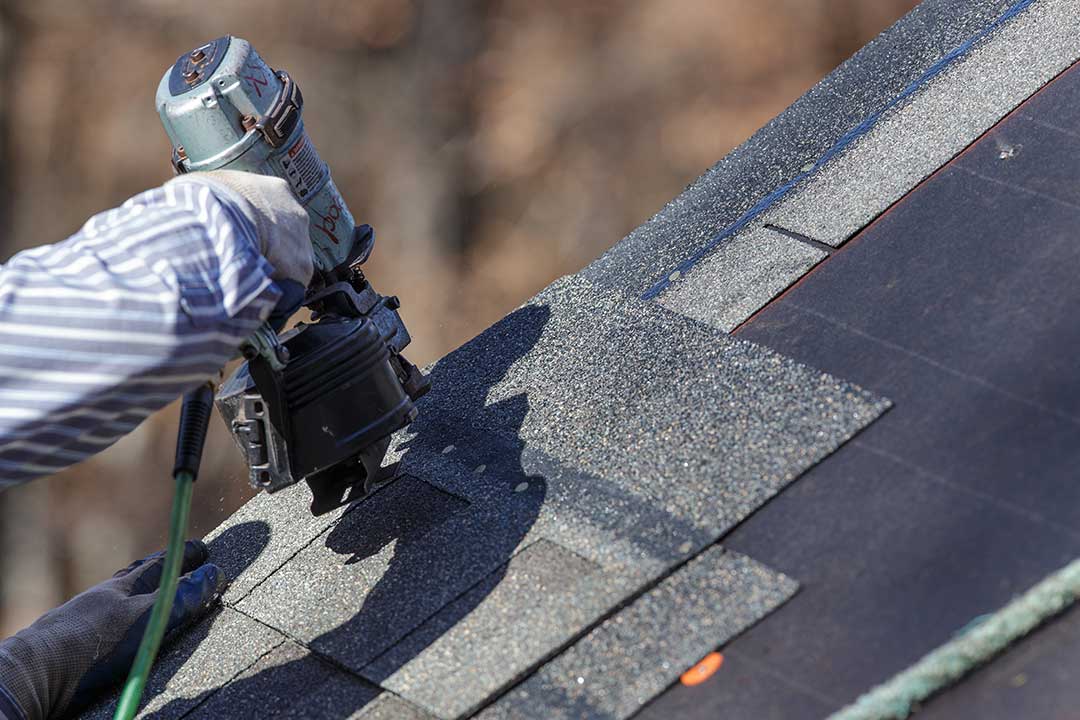
Poorly installed flashing can create leaks that may not appear immediately. Water can travel along underlayment, sheathing, or rafters before becoming visible inside the home. The risk is greater around valleys, chimneys, skylights, and other areas that already require careful waterproofing.
New York solar guidance identifies flashing as a required method for waterproofing roof penetrations under the state’s building code framework. ([nyserda.ny.gov](https://www.nyserda.ny.gov/-/media/Project/Nyserda/Files/Programs/NY-Sun/solar-guidebook.pdf?utm_source=openai))
Homeowners should understand where the array will be attached, how the penetrations will be flashed, and how those details will interact with existing roof materials. The mounting layout should also leave appropriate pathways for roof drainage and maintenance access.
Will solar panels make winter roof maintenance harder?
Panels do not eliminate the need to monitor the roof. They can change how snow, ice, leaves, and debris move across the surface.
Snow may slide from panels in sheets, creating a hazard near entrances, walkways, decks, or lower roofs. In some situations, snow can also collect between roof features or at lower edges. Panels may shed snow naturally when sunlight warms their surface, but that process is not always immediate.
NYSERDA recommends keeping panels as clear as reasonably possible from snowfall and debris to support energy production. It also notes that angled panels are often cleaned naturally by rainfall, although significant accumulation can reduce output. ([nyserda.ny.gov](https://www.nyserda.ny.gov/All-Programs/NY-Sun/On-site-Solar/Homes/Resources-for-Owners?utm_source=openai))
Avoid climbing onto a snowy or icy roof to clean panels. Roof access is especially hazardous during winter, and scraping equipment can damage the panels or roof covering. The array layout should be considered alongside safe access to vents, chimneys, gutters, and other roof components.
What happens if the roof needs repairs later?
Solar panels can be removed and reinstalled, but that adds labor, coordination, and potential risk. The possibility of future roof work should be discussed before the array layout is finalized.
Questions worth resolving include:
- Which roof areas are most likely to need replacement first?
- Will panels block access to flashing, vents, or skylights?
- Is there enough clear roof space for repairs?
- How will damaged shingles beneath the array be replaced?
- Who is responsible for panel removal if roof work becomes necessary?
- Will removal affect equipment warranties?
If only one roof plane is aging, placing panels on that section may create more future disruption than installing them on a sounder surface. A roof plan should consider repair access, not only maximum panel count.
Are permits required in Canandaigua?
Rooftop solar installations typically involve building and electrical work, so permit and inspection requirements should be confirmed before construction begins. The City of Canandaigua states that a building and use permit is required for new construction, enlargement, or major renovation of a structure within city limits; solar work may also involve electrical and fire-safety review depending on the project. ([canandaiguanewyork.gov](https://www.canandaiguanewyork.gov/188/Fees-Permits?utm_source=openai))
New York’s solar permitting guidance addresses structural review, roof access, ventilation, and inspection procedures under the state’s building and fire code framework. ([nyserda.ny.gov](https://www.nyserda.ny.gov/All-Programs/Clean-Energy-Siting-Resources/Solar-Guidebook?utm_source=openai))
Permit requirements can depend on the system design, mounting method, property conditions, and applicable code version. Written confirmation from the appropriate local authority is more reliable than relying on a general online checklist.
Does a solar-suitable roof have to be the only option?
No. If the roof is shaded, too small, structurally unsuitable, or approaching replacement, other arrangements may be possible. NYSERDA identifies ground-mounted systems as an alternative when roof condition, orientation, or shading make rooftop installation less suitable. ([nyserda.ny.gov](https://www.nyserda.ny.gov/Residents-and-Homeowners/Home-Renovations-Upgrades?utm_source=openai))
Some households may also consider community solar rather than placing equipment on the home. That option can be relevant when a roof has complex geometry, limited sunlight, historic design considerations, or maintenance concerns.
The practical question is not simply whether panels can fit on the roof. It is whether the roof, structure, weather exposure, access needs, and long-term repair plan all work together without creating avoidable problems.
