

Can Storing Holiday Decorations Hurt Your Roof?
Storing holiday decorations—especially those used outside—can damage roofs if done carelessly. In Canandaigua, NY, the mix of snowy winters and seasonal winds makes roofs especially vulnerable to improper storage and handling of decorations. Decorations left on or near the roofline too long, or stored in attics or crawl spaces without considering roof structure, can create problems ranging from leaks to shingle wear.
While festive displays are part of life in the city throughout winter, understanding smarter storage keeps both your home and your decorations safe year after year.
Where Should Decorations Be Stored to Avoid Roof Problems?
Decorations should never be stored directly on the roof, under eaves, or attached permanently to roofing materials. The best approach is to keep items inside a dry, climate-stable area such as a basement, garage, or weather-tight shed. Attics can work, but only if storage doesn’t add significant weight or disrupt insulation and ventilation.
In Canandaigua’s climate, here’s why it matters:
- Heavy winter snow puts extra pressure on roofs. Adding even lightweight plastic bins, boxes, or oversized decorations can worsen stress on rafters and weaken structural supports.
- Humidity fluctuations and ice dams—common in area homes—can seep into attic-stored decorations, causing water damage, mildew, and odors.
- Storing décor too close to vents, insulation, or electrical wiring may create fire or moisture hazards.
Is It Safe to Use the Attic?
Attics are often used for seasonal storage, but there are risks for both the decorations and your roof system. Safe attic storage depends on:
- Attic accessibility and floor strength—not all attics are designed for walking or holding storage bins. Weak joists can bow under even moderate weight.
- Adequate ventilation—overloading the attic can block airflow and trap humidity, leading to mold or roof rot.
- Proper stacking—placing bins or boxes directly on insulation compresses it, reducing its effectiveness. Stacking heavy items on or against rafters can stress critical framing.
For typical Canandaigua homes, attics may only be suitable for lightweight, non-breakable decorations packed in breathable containers. Large inflatables, lights, and outdoor displays are better kept elsewhere.
What About Hanging Decorations in the Garage or Overhead?
Storing holiday lights, wreaths, or inflatables from rafters or trusses in the garage is common, but overloading garage ceiling supports can risk both the structure and items below. Most standard garage ceilings are not engineered to safely hold heavy suspended loads.
Best practices for garage storage:
- Use shelves or wall hooks designed to bear weight.
- Hang lightweight items only, well away from garage doors or openers.
- Avoid stacking items where they might block fire exits or be difficult to reach in slippery winter conditions.
How Can Decoration Storage Affect Roof Lifespan?
Even minor seasonal storage mistakes can add up over time. In Canandaigua, homeowners often underestimate the impact of:
- Nails, screws, or hooks left in the roof deck or fascia—each fastener hole can become a potential leak site after freeze-thaw cycles.
- Decorations wedged under shingles or flashing—these disturb the roof’s water-shedding design, leading to wind-blown debris or water infiltration.
- Accumulated debris from artificial wreaths, garlands, or uncollected tinsel—material can collect in gutters and valleys, causing ice dams and roof leaks.
Misconceptions persist that small load increases or “just for storage” attic bins are safe by default, but every roof is unique. Local building styles and older homes in the city may be less forgiving than modern designs, making it wise to think conservatively about attic storage.
What Is the Best Way to Prepare Decorations for Storage?
Before packing lights, inflatables, and outdoor displays away for the season, preparation helps prevent both decoration loss and accidental roof damage:
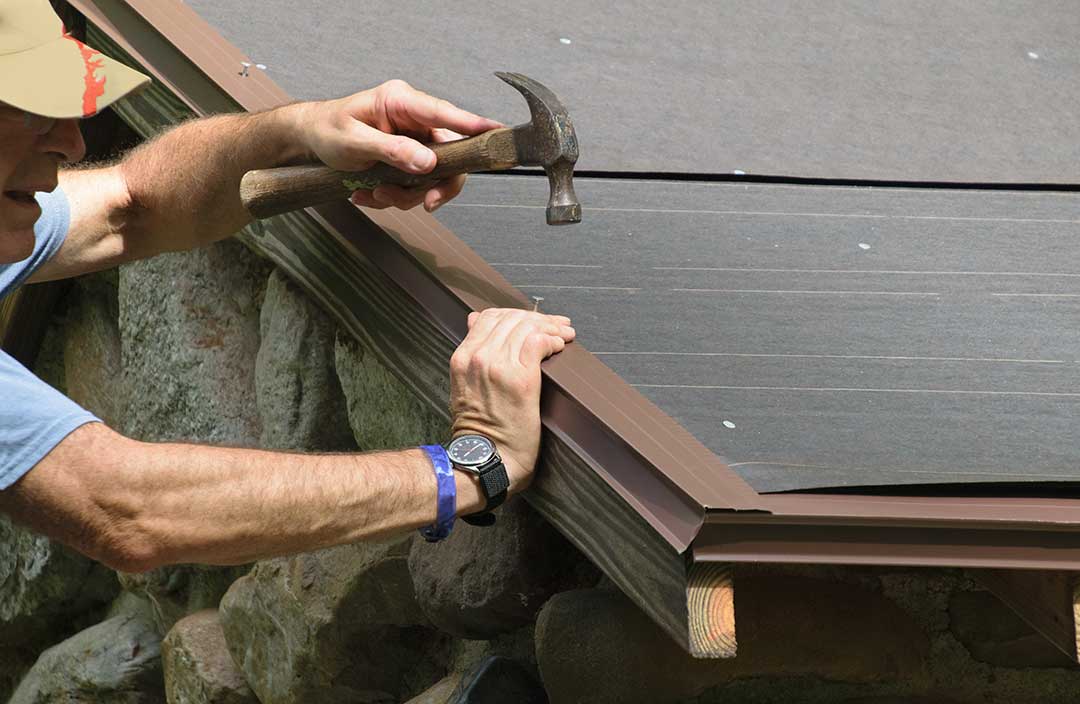
- Remove all fasteners, hooks, or nails used to hang decorations. Avoid leaving anything embedded in the roof, gutters, or siding.
- Clean decorations outside to remove snow, ice, and debris before storing. This stops moisture from migrating into attic spaces.
- Coil extension cords and strings of lights loosely. Tightly wound cables can crack in cold weather or become fire hazards if nicked.
- Store decorations in well-sealed, rodent-proof containers. Attics and garages can attract pests, especially during cold months.
- Label bins by type or intended location—this prevents future confusion and temptation to drop boxes in unsafe spots next year.
Are There Alternative Storage Tips for Small Homes or Apartments?
Not every home in Canandaigua has attic or garage space. Many local residents rely on creative solutions, such as:
- Slim, under-bed storage bins for indoor-only decorations.
- Vertical shelving in closets or mudrooms for stacking lightweight décor.
- Clearly labeled bins stacked in climate-stable corners of basements, making them easy to access without searching in cold, uninsulated spaces.
- For apartment dwellers, gently used plastic totes kept in building storage units (where permitted) provide a safe, dry option.
Always double-check area regulations if using shared spaces to ensure you’re storing items in approved, fire-safe ways.
Common Mistakes to Avoid
A few frequent errors can lead to trouble, especially as winter sets in:
- Leaving decorations out until snow arrives, making removal slippery and risking injury or shingle damage.
- Forgetting to inspect roof surfaces for leftover hardware, clips, or mounting tools from previous seasons.
- Piling storage bins near attic vents or blocking soffit airflow.
- Using unprotected cardboard boxes that invite moisture, mold, and pests.
A little extra care each season protects both your decorations and the roof over your head, keeping homes in the city safer and more beautiful for seasons to come.
