
What Is Roof Underlayment and Why Does It Matter?
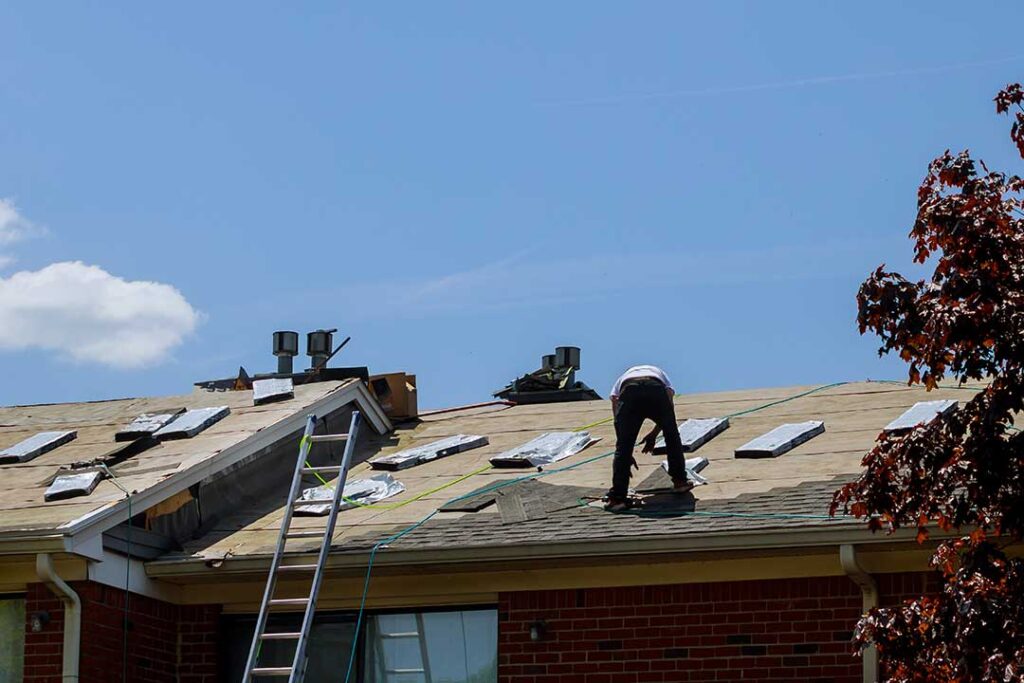
Roof underlayment is a hidden but crucial layer installed between the roof deck (wood sheathing) and the shingles or final roofing material. Its main role is to provide a moisture barrier that adds a second line of defense against water intrusion, especially during periods of heavy rain, wind-driven snow, or ice dams—weather conditions familiar to Canandaigua residents.
The underlayment protects the roof structure if shingles are damaged, blown off, or if ice melts and water seeps underneath. Without this layer, local homes would be much more vulnerable to leaks, mold, and structural wood rot after severe winter storms.
What Types of Roof Underlayment Are Commonly Used?
There are three main types of underlayment used in residential roofing:
- *Asphalt-saturated felt:* Traditionally known as “felt paper” or “tar paper,” this type has been used for decades. It’s affordable and provides basic water resistance.
- *Synthetic underlayment:* Made from engineered polymers, it is lighter and usually offers superior strength, resistance to tearing, and improved slip resistance for installers.
- *Rubberized asphalt (peel-and-stick):* This self-adhering option features a sticky backing that forms a waterproof seal, commonly used in vulnerable areas like eaves, valleys, and skylights.
In the Canandaigua area, building codes and the frequent freeze/thaw cycles often make synthetic and rubberized asphalt the preferred options. Synthetics hold up better to the humidity and temperature swings typical of lake-effect weather.
Why Is Underlayment Especially Important for Canandaigua Homes?
Canandaigua’s climate brings heavy snow loads, ice accumulation, and significant rains throughout the year. Shingles alone can be compromised by strong wind gusts or ice damming—a phenomenon where melting snow refreezes at the roof's edge, pushing water beneath the surface material.
The underlayment serves as a last line of defense, helping to prevent leaks into attic spaces and living areas even if the outer roofing suffers minor damage or wear. This added protection is important for both older homes, which may have more settling and shifting gaps, and newer constructions aiming for long-term durability.
Do Building Codes in Canandaigua Require Specific Underlayment?
Local building codes, based on New York State guidelines, require underlayment for pitched residential roofs. There are minimum standards for both material quality and installation practices. Specific requirements may include:
- Ice and water shield (self-adhesive underlayment) installed along the eaves, extending up the roof a specified distance to provide added protection where ice dams form
- Overlapping layers following manufacturer and code instructions to create a watertight seal
- Fastening methods that resist wind uplift
Homeowners considering roof replacement or major repairs should verify with the city’s building department that all work follows relevant local regulations. Cutting corners on underlayment can jeopardize code compliance, home value, and insurance coverage.
How Does Underlayment Contribute to Energy Efficiency and Home Comfort?
While underlayment is not a direct insulator, it can help regulate a home’s moisture and temperature. A securely installed underlayment layer prevents drafts, water vapor, and, in synthetic varieties, even some radiant heat transfer. This barrier effect is particularly noticeable after extended wet periods or during the snowmelt season, when excess attic moisture can contribute to mold growth and energy wastage as heating systems run overtime.
What Are Common Misconceptions About Roof Underlayment?
Some homeowners assume that as long as shingles look intact, everything underneath is secure. The reality is that the underlayment can fail, deteriorate, or shift over time—even if it’s not visible from the ground. Opportunistic leaks and wood damage often begin beneath the shingles, going unnoticed until stains or drips appear indoors.
Another misconception is that underlayment is optional or simply “extra.” For all new construction and most repairs, underlayment is not only standard practice but a code requirement.
Where Are the Most Vulnerable Areas for Underlayment on Local Roofs?
Certain spots are more susceptible to water intrusion than others, particularly:
- Roof eaves and edges, where ice dams form and trap water
- Valleys where two roof slopes meet, channeling large amounts of runoff
- Around chimneys, skylights, or vent penetrations, which disrupt the continuous roof plane
In Canandaigua’s snowy climate, rubberized peel-and-stick underlayment should typically be used in these high-risk locations to ensure tight seals.
Can Homeowners Inspect or Maintain Their Underlayment?
Once shingles are installed, the underlayment is hidden. Visual inspection from the attic may sometimes reveal evidence of leaks or mold, suggesting a problem with the roof’s protective layers. After storms with wind or ice damage, checking for shingle loss or misalignment from the ground can prompt more thorough inspection as needed. Removing roofing material to directly assess underlayment should only be done if major problems are suspected, as unnecessary disturbance can cause more harm than good.
Regular attic checks for moisture, dark stains, or musty odors are practical ways for area households to identify underlayment issues early. Professional assessment may be warranted where active leaks or safety hazards exist, particularly following major storms or during a full roof replacement.
