

What Basic Roofing Elements Do Homeowners Need to Recognize?
Residents in Canandaigua, NY, often encounter roofing maintenance or replacement projects given the area’s seasonal temperature swings and potential for heavy snow and rain. Whether managing an existing roof or planning upgrades, understanding the main parts of a roof helps communicate clearly with contractors and make informed decisions about home care. The most common parts include the roof deck, underlayment, shingles, flashing, and ventilation.
- Roof Deck: The foundation layer attached directly to the trusses or rafters, usually made from plywood or OSB, on which all other materials are added.
- Underlayment: A protective water-resistant or waterproof material installed between the deck and the outer roof covering. It’s especially crucial in places with significant snowmelt risk.
- Shingles: The outer layer visible from the street; Canandaigua homes typically use asphalt shingles due to affordability and local climate performance.
- Flashing: Metal pieces installed to direct water away from roof seams, valleys, chimneys, and around vent pipes, preventing leaks in vulnerable spots.
- Ventilation: Includes ridge vents, soffit vents, and other mechanisms to allow airflow, reducing moisture buildup and extending the life of both roofing and attic insulation.
What Are the Most Common Roofing Materials in the Community?
The majority of residential roofs in the city are asphalt shingle systems, but homeowners may also hear about metal, wood shake, or slate.
- Asphalt Shingle: The most typical covering, chosen for moderate cost and reliability in the region’s freeze/thaw cycles.
- Metal Roofing: Known for longevity and resistance to wind, though less common for homes in the area due to cost and style considerations.
- Slate & Wood Shake: Occasionally seen for historic or custom home projects, both require special expertise for installation and maintenance.
Misconception: Some residents think all shingles are alike. In reality, warranties, thickness, and even color reflect differences in durability and performance, especially in climates with significant sun and snow.
Why Is Roof Pitch Frequently Mentioned in Project Plans?
Roof pitch describes the steepness, typically as a ratio (like 6:12 for 6 inches of rise per 12 inches of horizontal run). This matters because the pitch dictates:
- The type of materials suitable for use (some, like tile, need steeper slopes)
- How quickly water and snow shed off the roof, which is crucial in minimizing ice dams during winters
- The overall look and building code compliance for homes in local neighborhoods
A flatter roof may need additional waterproofing and is more likely to accumulate snow.
How Does Ventilation Protect Roofs During Canandaigua’s Seasons?
Proper ventilation allows moisture and excess heat to escape the attic, which helps prevent rot, warping, and ice dams. Homeowners often hear about:
- Ridge Vents: Running along the peak, letting warm moist air exit the attic
- Soffit Vents: Located under the lower roof edges, pulling in cooler air to promote airflow
- Gable Vents: Used on the walls at each end of the attic, particularly in homes built before the 1980s
Insufficient ventilation contributes to mold and premature material failure. In older neighborhoods, some attics lack enough intake vents, causing problems that go undetected until leaks or ice issues arise.
What Terms Do Contractors Use to Describe Repairs and Layers?
Understanding repair language demystifies contractor proposals and maintenance recommendations.
- Valley: The area where two roof slopes meet, often channeled with metal to direct water away from joints.
- Eave and Fascia: The eave is the lower edge of the roof overhanging the wall, with fascia as the vertical finishing board supporting gutters.
- Ridge: The highest horizontal point, where slopes meet.
- Ice and Water Shield: A self-adhering membrane applied to particularly leak-prone zones, required by local building codes near eaves and valleys.
- Sheathing: Another term for the underlying deck; may need full or partial replacement when roofs are reshingled.
- Drip Edge: Thin metal strips at the eaves and rake edges, ensuring water flows into gutters and away from fascia or siding.
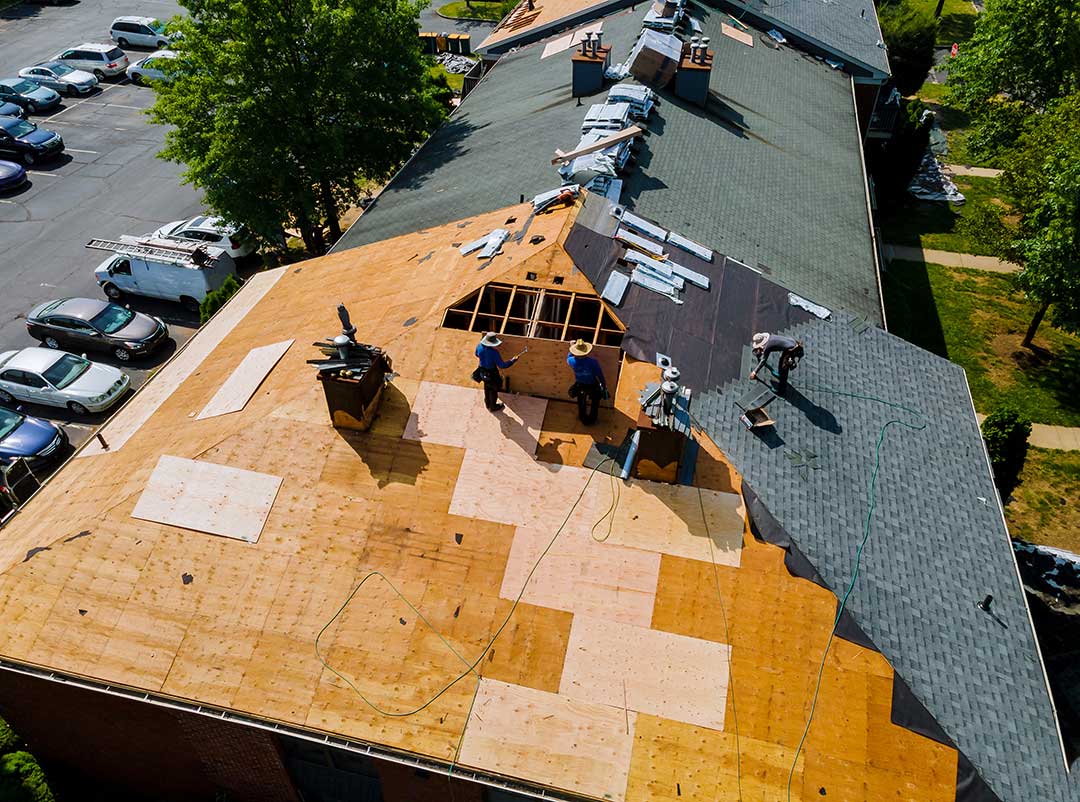
Common misconception: “Tear-off” simply means removing the old shingles, but sometimes, it also refers to stripping away underlayment and even damaged decking.
What Building Code Terms Should Homeowners Be Familiar With?
Canandaigua follows statewide building codes, with certain local adaptations for snow load, wind, and fire safety.
- Ice Dam Protection: Local codes mandate barriers against ice buildup along the eaves—typically with ice and water shield sheets.
- Overlay vs. Tear-Off: While overlays (adding new shingles atop old ones) may be technically allowed for a single additional layer, new installations most often require full tear-offs for long-term performance and to inspect underlying structures.
- Fire Rating: Most residential roofs use materials with a Class A fire rating as a standard safety measure.
Failure to comply with local codes can result in delays, failed inspections, or insurance claim issues, especially after severe weather events.
Why Does Timing of Roofing Projects Matter Here?
Knowing roofing terminology helps with scheduling and planning, particularly given the city’s climate.
- Winter Installation: Cold temperatures can make some materials brittle or adhesives less effective, so major work is usually confined to late spring through early fall.
- Emergency Patch: After a windstorm or ice event, temporary repairs might be described as a “patch” or “tarp job,” meant to prevent further damage until full repairs occur.
Understanding the seasonal calendar helps homeowners interpret contractors’ recommendations on timing or see when a particular term (like ice dam removal) is relevant.
What Myths Often Confuse Homeowners About Roofing Terms?
It’s common for residents to mix up or misunderstand certain terms heard during repairs or insurance claims.
- Not all roof leaks are from “missing shingles”—damage often involves flashing, underlayment, or vent boots.
- “Lifetime” shingle warranties do not mean the homeowner’s lifetime; rather, it typically refers to the manufacturer’s defined product life under specific conditions.
Reviewing written proposals, asking for explanations, and referring to unbiased public resources helps clarify any confusion.
