
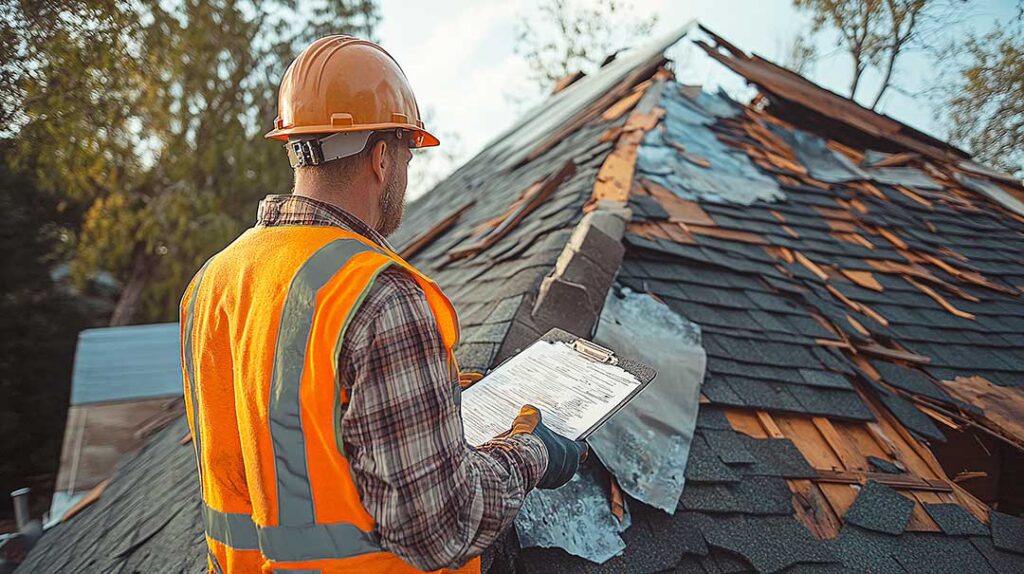
What should you document first after roof damage in Canandaigua, NY?
Start with safety, then preserve evidence. Do not climb onto a damaged or icy roof, enter areas with structural concerns, or move materials that could fall. From the ground or a safe interior location, photograph and record what happened before cleanup or temporary repairs begin.
In the Canandaigua area, roof problems may follow heavy snow, ice buildup, freeze-thaw cycles, strong wind, falling branches, or severe rain. The cause and timing matter because insurance generally responds to covered events, not ordinary wear, deferred maintenance, or long-term deterioration.
Before documenting, make a quick safety check:
- Look for downed wires, unstable branches, loose roofing materials, and sagging ceilings.
- Keep people and pets away from rooms with active leaks or visible structural damage.
- If water is near electrical fixtures, avoid the area and contact the appropriate emergency service.
- Take pictures only from safe locations.
New York’s Department of Financial Services advises policyholders to photograph or video losses before cleaning up, file claims promptly, and keep detailed records of communications with the insurer. ([dfs.ny.gov](https://www.dfs.ny.gov/consumers/disaster_flood?utm_source=openai))
How do you photograph roof damage effectively?
Use a combination of wide, medium, and close photographs. A single close-up of a missing shingle rarely shows enough context for an adjuster to understand the location or extent of the problem.
Begin with wide images showing:
- The entire side of the house affected
- The roof slope where damage appears
- Nearby trees, branches, fences, vehicles, or other objects that may explain the event
- Interior rooms beneath the damaged roof area
Follow with medium-distance photos showing the damaged section more clearly. Finish with close-ups of lifted shingles, punctures, cracked flashing, exposed underlayment, damaged vents, broken gutters, displaced ridge materials, or visible water staining.
Helpful photo practices include:
- Photograph from several angles because damage may be visible only from one direction.
- Include a fixed reference, such as a window, chimney, vent, or roof edge.
- Take both horizontal and vertical images.
- Do not alter or enhance images in a way that changes their appearance.
- Preserve the original files and record the date and approximate time.
- Use video to show active dripping, wind-driven movement, loose materials, or water spreading across a ceiling.
If snow or ice is present, photograph its condition without attempting to remove it from the roof. Ground-level images may be safer and more useful than risky close-ups.
What should be included in a written damage record?
A written timeline can be as valuable as photographs. Record what you observed, when you observed it, and what changed afterward.
Include:
- The date and approximate time the storm or event occurred
- Weather conditions you noticed, such as high wind, heavy snow, ice, hail, or falling branches
- When the first leak, ceiling stain, draft, or visible exterior damage appeared
- Which rooms, ceilings, walls, or contents were affected
- Whether the damage became worse during later rain or melting
- Emergency steps taken to prevent additional damage
- Names, dates, and summaries of conversations with the insurer or claim representative
Avoid guessing about technical matters. Write “water stain appeared below the attic vent after heavy rain” rather than stating that a specific roofing component failed unless that has been verified.
Keep a simple claim log in a notebook or digital file. The New York Department of Financial Services recommends recording conversations with the insurer and following up in writing so there is a clear record of what was discussed. ([dfs.ny.gov](https://www.dfs.ny.gov/consumers/disaster_flood?utm_source=openai))
How should temporary repairs be documented?
Reasonable emergency measures can help prevent further damage, but temporary work should not erase evidence. Photograph the condition before covering a hole, removing fallen material, or placing a tarp.
For each temporary measure, record:
- What was damaged before the work
- Why immediate action was necessary
- What materials were used
- The date and time of the work
- Who performed it
- The amount paid
- Whether any damaged materials were removed or discarded
Keep receipts for tarps, emergency water removal, temporary boarding, replacement materials, and other necessary expenses. If damaged roofing pieces must be removed because they are dangerous, photograph them first and preserve samples when practical. Do not perform permanent repairs or discard significant evidence before asking the insurer whether an inspection is needed, unless immediate safety or property protection requires it.
New York guidance recognizes photographs, video, material samples, receipts, and inventory lists as forms of documentation that may help establish a covered loss. ([dfs.ny.gov](https://www.dfs.ny.gov/reports_and_publications/press_releases/pr1310281?utm_source=openai))
What interior damage should be recorded?
Roof damage is not limited to the shingles or visible exterior. Water may affect insulation, drywall, paint, flooring, framing, wiring, furniture, appliances, clothing, and other personal property.
Photograph each affected room from the doorway, then capture details such as:

- Ceiling rings, bubbling paint, sagging drywall, or discoloration
- Wet insulation or attic materials
- Water on floors or inside cabinets
- Damaged furniture, electronics, rugs, or stored belongings
- Mold-like growth or odors that appeared after the event
- Buckled flooring or swollen trim
Move undamaged belongings away from water when safe, but photograph their original location first. Make a list of damaged contents with a description, approximate age, purchase information, and receipts or other proof of value when available. The National Association of Insurance Commissioners recommends maintaining an inventory and keeping receipts with records of repairs and replacement items. ([content.naic.org](https://content.naic.org/article/what-you-need-know-when-filing-homeowners-claim?utm_source=openai))
Should you document the roof’s condition before the damage?
Yes. Existing records can help distinguish sudden storm damage from older wear. If available, gather earlier photographs, inspection reports, repair invoices, permit-related records, maintenance notes, and home-improvement documents.
Useful evidence may include:
- Photos taken before the storm
- Records showing the approximate roof installation date
- Previous repairs or leak reports
- Receipts for replaced shingles, flashing, or ventilation components
- Annual home inventory photographs
- Real-estate listing photos or personal photographs that show the roof before the event
This does not guarantee coverage, but it gives the insurer a clearer comparison between the prior condition and the reported loss. A homeowners policy is generally not a maintenance contract, so documentation should accurately show whether the issue appears sudden, gradual, or related to a combination of conditions. ([content.naic.org](https://content.naic.org/sites/default/files/publication-hoi-pp-consumer-homeowners.pdf?utm_source=openai))
What should you send with the claim?
Ask the insurer which forms and supporting documents are required under the specific policy. A complete file may include:
- Policy number and contact information
- Date and suspected cause of loss
- Photo and video files
- Written timeline
- Room-by-room damage list
- Receipts for emergency measures
- Records of temporary repairs
- Receipts or proof of value for damaged belongings
- Contractor or repair estimates, if requested or obtained
- Notes from inspections and communications
Keep copies of everything submitted. Store digital files in more than one secure location, and use clear file names such as “north roof slope,” “upstairs ceiling,” or “temporary tarp receipt.”
What if the insurer’s inspection does not match your records?
Remain factual and ask questions in writing. Request an explanation of what damage was accepted, what was excluded, and what policy language supports the decision. Provide additional photographs, receipts, or earlier-condition evidence if it clarifies the claim.
Coverage can depend on policy wording, deductibles, exclusions, proof of loss, replacement-cost requirements, and whether the damage resulted from a covered peril. Flooding is generally handled separately from ordinary homeowners coverage and may require a flood policy. ([dfs.ny.gov](https://www.dfs.ny.gov/consumers/disaster_flood?utm_source=openai))
For serious disputes, unsafe conditions, or questions involving legal rights, licensed insurance or legal guidance may be appropriate. The key record is a clear, dated account showing the roof’s condition before and after the event, the steps taken to limit further damage, and the expenses connected to the loss.
