
How Do Skylights Change the Way a Roof Functions?
Installing a skylight introduces a carefully designed window into your roof structure, changing not only the flow of natural light but also the dynamics of insulation, moisture control, and roofing maintenance. For homeowners in Canandaigua, skylights are often sought after to brighten interiors during the long, cloudy winters. However, their addition comes with structural and environmental considerations unique to the region’s seasonal climate and frequent freeze-thaw cycles.
A skylight modifies how a roof handles heat, rain, snow, and air movement. Proper installation and thoughtful selection of placement are essential to maintain the integrity of the roof system.
What Are the Primary Benefits and Common Concerns?
While the main advantage of a skylight is increased natural light, especially appealing during the short days of winter in Canandaigua, residents also appreciate the potential for ventilation and passive solar heating. However, local homeowners often worry about leaks, loss of heat, and condensation, issues that are more pronounced due to the climate’s wide seasonal temperature swings.
Common concerns include:
- Water leaks from improper flashing or weathering
- Ice dam development from altered roof insulation
- Increased heat loss if glazing or installation are not optimized for energy efficiency
The benefits can outweigh the risks with careful planning, but not all homes or roofs are ideal candidates.
How Do Skylights Affect Moisture and Leaks?
Any opening in a roof, including skylights, creates a potential entry point for water. In the Canandaigua region, spring and autumn bring heavy rainfall, while winter introduces snow and ice that often linger on rooftops. If a skylight’s flashing or sealing fails, moisture can seep between roof layers, causing rot, mold, or even damage to interior ceilings and walls.
Flashings—metal or plastic layers that divert water around the skylight frame—must account for both rain and snow accumulation. Misunderstandings about “seamless installs” can lead homeowners to underestimate the importance of regular checks, especially following seasonal storms.
Does Installing a Skylight Increase Heat Loss in Colder Months?
Installing any glass panel in an insulated roof changes how a home retains heat. Some older skylights, or those with single-pane glass, can allow significant heat to escape. Even new, energy-efficient glazing doesn’t insulate as well as a solid, insulated roof section.
In Canandaigua, this means a poorly insulated skylight may cause:
- Cold drafts beneath the skylight
- High heating bills during peak winter months
- Frost or condensation buildup on or around the frame
Choosing models with insulated glass and low-emissivity coatings helps, as does ensuring an airtight installation and proper roof insulation adjacent to the opening.
Could Skylights Cause Ice Dams or Roof Damage, Especially in Local Winters?
Ice dams—ridges of ice that form along the eaves and prevent melting snow from draining—are a familiar winter problem in the community. A skylight can contribute to ice damming if the installation or surrounding insulation isn’t well designed. Heat escaping through or around a skylight can melt nearby snow, which then refreezes at the colder roof edges, trapping water and encouraging leaks.
Ice dams are especially problematic on north-facing slopes or where snow regularly drifts and accumulates. Ensuring the attic and roof cavity are well-insulated and ventilated reduces this risk, but regular monitoring after heavy snowfall is wise.
How Does a Skylight Alter Roof Maintenance Needs?
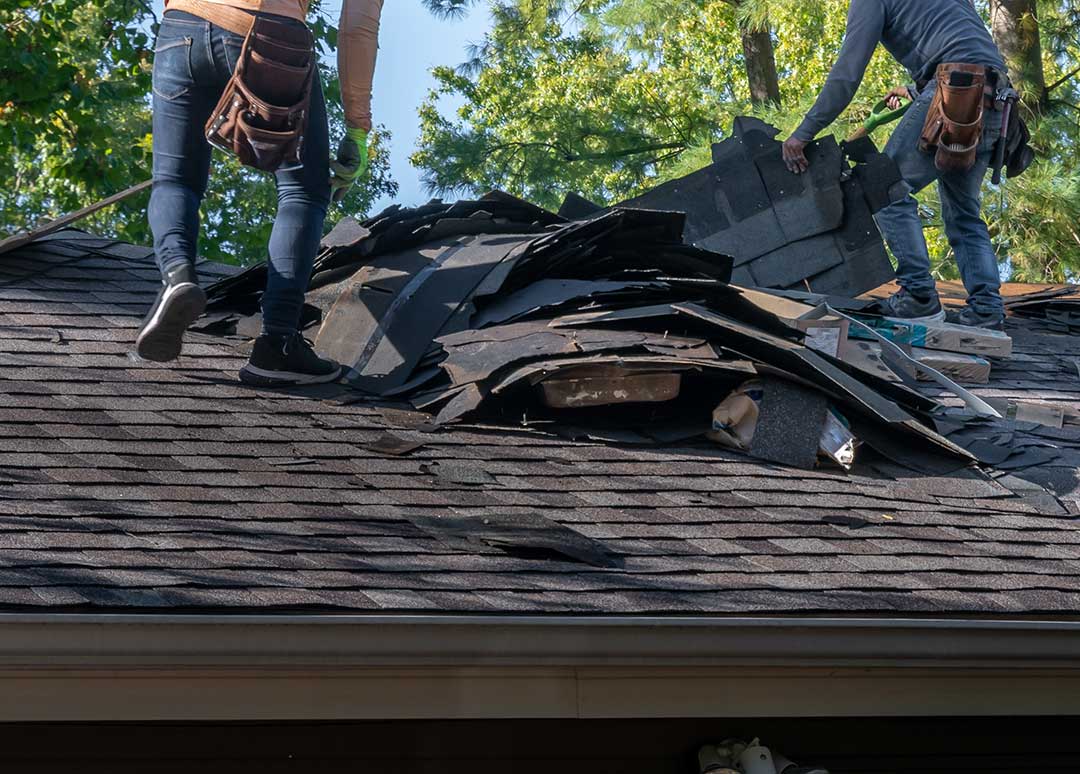
Adding a skylight means adding elements that require routine attention. Homeowners can expect:
- An annual check for cracks in glass or glazing
- Inspection of flashing for signs of lifting or corrosion, especially after storms or rapid freeze-thaw cycles
- Clearing any leaves, pine needles, or other debris that can block water flow around the skylight frame
Unlike a simple shingled slope, a roof with a skylight has more points where debris can lodge, snow may drift unusually, or water could pool.
What Local Building Codes or Insurance Considerations Apply?
Canandaigua-area residential building codes address skylight installation standards, including requirements for how these roof elements are flashed, insulated, and supported. Permits are generally required for installation or major repairs to ensure compliance with local safety and weatherproofing standards.
From an insurance standpoint, adding a skylight might alter a roof’s risk rating, depending on the home’s age, the type and number of skylights, and whether they are rated for impact or heavy snow loads. Homeowners should check whether their policy covers damage related to skylight leaks or breakage.
Are There Common Misconceptions About Skylights and Roofs in the Area?
One frequent misconception is that modern skylights are “worry free” due to new materials or designs. While newer units are more reliable, no skylight is entirely maintenance-free, especially when exposed to the extremes of Canandaigua’s climate.
Another is that skylights will always increase energy use. High-quality models with proper installation can limit unwanted heat transfer, but their overall thermal resistance remains less than that of a section of well-insulated roof.
Lastly, people often underestimate the potential for condensation—not just from poor insulation, but from local lifestyle factors like humidifiers or kitchen activities that add moisture to indoor air during the winter.
Who Should Consider a Skylight, and What Roofs Are Most Suited?
Homes with open, sloped ceilings or rooms that lack natural light often benefit most from a skylight. Roofs with a gentle to moderately steep pitch are generally the best candidates, as flatter roofs may experience more pooling water, while very steep roofs are harder to work on.
Older homes with original or fragile roofing materials, or roofs already nearing the end of their lifespan, may face more risk and cost with a skylight installation. Weighing these factors is important before cutting into a roof.
