
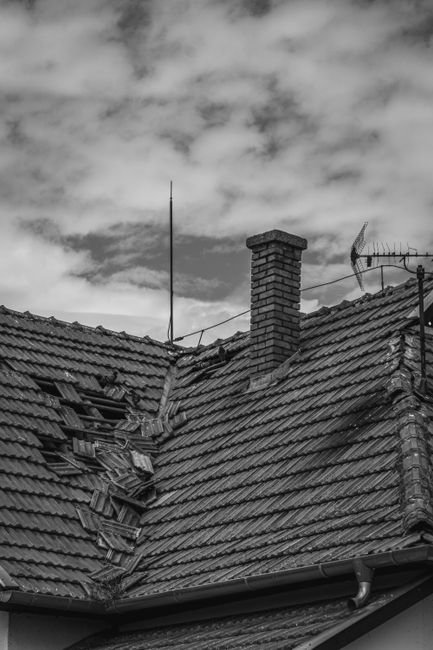
What kinds of wind damage can affect a roof?
Severe winds can damage more than loose shingles. They may lift roofing materials, weaken flashing, break tree limbs, drive rain beneath protective layers, or place stress on the roof structure itself. In Canandaigua, NY, these risks can occur during summer thunderstorms, fast-moving storm systems, and powerful wind events that arrive before or after winter weather.
Wind damage is not always obvious from the ground. A roof may look intact while shingles have been lifted enough to break their seal or allow water to enter during the next rainfall.
The level of damage depends on several factors:
- Wind speed and duration
- The direction of the gusts
- Roof age and material condition
- Roof shape and slope
- Quality of installation and fastening
- Nearby trees, branches, and taller structures
- Existing moisture damage or weakened decking
A short burst of high wind can be more damaging than steady moderate wind because sudden pressure changes can pull at exposed edges and corners.
Which parts of a roof are most vulnerable?
Roof edges, corners, ridges, eaves, and areas around penetrations usually experience the greatest wind stress. These locations can allow wind to get underneath roofing materials if a seal, fastener, or piece of flashing has already weakened.
Commonly affected areas include:
- Shingles along gable edges and roof perimeters
- Ridge caps at the peak of the roof
- Flashing around chimneys, skylights, vents, and wall intersections
- Drip edges and exposed fascia
- Roofing near dormers or changes in roof direction
- Sections beneath overhanging tree limbs
Asphalt shingles may curl, crease, crack, or become partially detached. A shingle that is still lying flat may nevertheless have lost its adhesive bond. Over time, repeated gusts can enlarge a small weakness into a missing section.
Metal roofing can also be affected. Panels may loosen, seams may separate, and fasteners may back out or pull through surrounding material. On older roofs, corrosion around fasteners can make wind-related movement more likely.
Can wind damage cause leaks even if shingles are not missing?
Yes. Missing shingles are only one form of wind damage. Water can enter through lifted edges, damaged flashing, separated sealant, or small openings around roof penetrations.
Wind-driven rain is especially likely to move sideways or upward beneath roofing materials. This means water may appear inside the home some distance from the actual roof entry point. A ceiling stain near an outside wall, chimney, or attic area may not directly identify the damaged location.
After a storm, watch for:
- New ceiling or wall stains
- Damp insulation in the attic
- Dripping around light fixtures or vents
- Peeling paint or bubbling drywall
- Musty odors
- Water marks on rafters or roof decking
- Daylight visible through the roof assembly
A leak may not appear immediately. Some roofing materials absorb or temporarily redirect water, allowing damage to become visible hours or days later.
How do trees and branches increase roof damage?
Wind-damaged trees are a major roof hazard. Branches can scrape away protective granules, puncture shingles, crack flashing, or damage the roof deck. A falling limb may create a large opening, but smaller branches can also cause hidden damage through repeated contact.
Trees near a home deserve extra attention before severe weather. Dead limbs, weak branch unions, leaning trunks, and heavy growth over the roof can increase the chance of impact. Seasonal conditions matter as well. Wet soil can reduce root stability, while ice and snow add weight to branches during colder months.
Do not climb onto a roof or approach a tree that has fallen onto or near electrical lines. Even when a branch appears small, it may be holding tension or concealing structural damage.
What should residents check after a severe windstorm?
Begin with a ground-level inspection. Walking around the property is safer than climbing onto a wet, damaged, or unstable roof.
Look for:
- Shingles in the yard or driveway
- Uneven rows or lifted tabs
- Missing ridge caps
- Bent or detached gutters
- Loose flashing or trim
- Exposed underlayment or roof decking
- Broken branches on the roof
- Damaged vents, chimneys, or exterior siding
- Water intrusion in the attic or upper floors
Use binoculars if necessary. Roof damage can often be documented from the ground without creating a fall risk.
Inside the home, check the attic if it can be reached safely. Look for wet insulation, darkened wood, active dripping, or areas where wind-driven rain may have entered. Do not touch wet electrical components, and avoid walking on attic surfaces that may not support body weight.
Photographs taken from safe locations can help document the condition of the property. It is useful to record both close views of damaged areas and wider views showing where the damage is located.
Is a roof with a few damaged shingles safe?
Not always. A few displaced shingles may represent limited surface damage, but they can also indicate broader problems with fastening, underlayment, flashing, or the roof deck.
The urgency depends on the situation. Immediate attention is warranted when:
- A large section of roofing is missing
- The roof deck is visible
- Water is entering the home
- A tree or large branch has struck the roof
- The ceiling is sagging
- Electrical fixtures are wet
- Structural movement or cracking is visible
Temporary measures such as placing a container beneath a leak or covering an opening from the ground may reduce interior damage, but do not attempt roof repairs during active rain, high wind, lightning, or icy conditions. Tarping a roof can also be dangerous if the surface or structure is unstable.
How can wind damage be reduced before the next storm?
Routine maintenance can reduce the chance that a minor weakness becomes major damage. Before severe weather, inspect visible roof edges, flashing, gutters, vents, and nearby trees. Replace or secure loose exterior items that could become airborne.
Helpful preparation includes:
- Keeping gutters and downspouts clear
- Trimming dead branches away from the roof
- Checking attic ventilation and moisture conditions
- Replacing visibly loose or deteriorated flashing
- Confirming that roof penetrations are properly sealed
- Securing outdoor furniture and lightweight equipment
- Reviewing household insurance documents before a storm occurs
- Keeping flashlights, containers, and protective clothing available
In New York, construction requirements include provisions for wind and other environmental loads, but code compliance does not make a roof immune to storm damage. Older homes, roofs with deferred maintenance, and structures exposed to open wind can still experience problems.
When does wind damage require a safety-focused inspection?
A qualified roof or building inspector is appropriate when damage cannot be evaluated safely from the ground, when leaks are active, or when the roof structure may be compromised. This is particularly important after a tree impact, major material loss, sagging, or visible damage to rafters and decking.
Insurance policies often distinguish between storm damage, long-term deterioration, and maintenance issues. Prompt documentation can help establish when the damage occurred, but policy terms vary. Avoid discarding damaged materials until the condition has been documented, unless they pose an immediate safety hazard.
The most useful response after a severe wind event is a careful one: protect occupants first, avoid unstable areas, document visible conditions, and watch for delayed leaks during the following rainfall. A roof does not need to look dramatically damaged to have lost part of its weather protection.
