
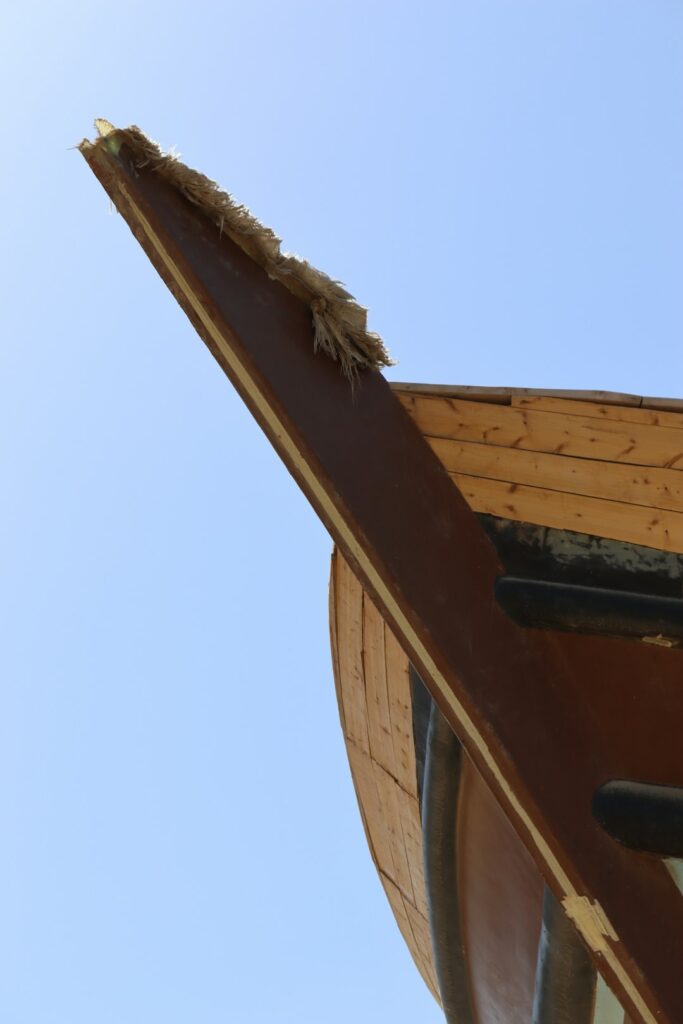
Roof decking, also called roof sheathing, is the layer of wood panels attached to the rafters or trusses beneath the underlayment and shingles. It supports the roof covering and helps transfer snow, wind, and other loads into the framing.
In Canandaigua, NY, seasonal rain, snow, ice, freeze-thaw cycles, and summer humidity can gradually expose weaknesses in this hidden part of the roof. Decking problems are often discovered after a leak has already reached the attic or living space, but several warning signs can appear earlier.
What does damaged roof decking look like from inside?
The attic is usually the clearest place to look for decking trouble. A safe visual inspection from the attic access area may reveal:
- Dark stains or water marks on the underside of the roof panels
- Soft, crumbly, or deteriorated wood
- Mold-like growth or a persistent musty odor
- Rusted nails or damp insulation near the roof surface
- Daylight visible through small holes or separated seams
- Sagging between rafters or trusses
- Discolored areas around vents, chimneys, valleys, and roof edges
A single old stain does not always mean the decking is still wet. However, a stain that feels damp, expands after rain, or appears alongside soft wood suggests an active or recurring moisture problem.
Roof leaks do not always show up directly below the point where water enters. Water can travel along the underside of the decking, rafters, insulation, or ceiling materials before becoming visible indoors.
What signs can be seen from the roof surface?
Some decking problems are noticeable from outside, although walking on a roof can be hazardous and may cause additional damage. From the ground, binoculars, or a nearby upper window, look for unusual roof contours rather than attempting a close inspection.
Possible warning signs include:
- Sagging sections between structural members
- A wavy or uneven roofline
- Shingles that appear depressed in one area
- Repeated patches over the same section
- Roof surfaces that hold water after nearby areas have dried
- Exposed edges where decking appears to have swollen or separated
A soft spot beneath shingles often indicates deterioration in the decking, but the visible depression may also involve damaged rafters, inadequate framing, or a problem with the roof covering itself. The underlying cause cannot always be identified from the shingle surface alone.
How do leaks damage the decking?
Water damage usually begins with repeated moisture exposure rather than a single brief leak. Missing or damaged shingles, failed flashing, blocked drainage paths, ice dams, poorly sealed penetrations, and aging underlayment can all allow water to reach the wood beneath the roof covering.
Once wood panels become wet, several changes may occur:
1. The panel edges can swell and become uneven.
2. Fasteners may loosen as the wood loses strength.
3. The wood can develop fungal decay if it remains damp.
4. The decking may lose its ability to support shingles and distribute roof loads.
5. Continued movement can create additional openings for water.
A roof may stop leaking temporarily after a storm, yet still contain weakened decking. Dry weather does not automatically restore wood that has warped, delaminated, or begun to decay.
Are ceiling stains proof that the decking needs replacement?
Not necessarily. A ceiling stain proves that moisture reached the interior finish, but it does not identify how far the damage extends.
The roof decking may be affected, or the leak may be limited to underlayment, flashing, insulation, drywall, or a small area around a penetration. In other cases, a small ceiling mark can be the visible result of a larger hidden problem.
The extent of damage is more concerning when a stain is accompanied by:
- A soft ceiling surface
- Bubbling paint or peeling texture
- Repeated staining after several storms
- Damp insulation
- A musty odor
- Visible attic mold
- Sagging rafters, trusses, or roof panels
Do not press on a bulging ceiling or stand beneath it for extended periods. Water accumulation can add weight, and electrical fixtures near a leak may create an electrical hazard.
Why are some roof areas more vulnerable?

Certain roof locations experience more water exposure and movement than broad, open roof planes. Decking deserves particular attention near:
- Valleys where multiple roof sections drain together
- Eaves and lower roof edges
- Chimneys, skylights, and plumbing vents
- Roof-to-wall intersections
- Areas beneath snow accumulation
- Places where gutters overflow or remain clogged
- Sections with a history of ice buildup
In the local climate, snow can melt during a warm period and refreeze when temperatures drop. This repeated change can push water beneath shingles, especially near colder roof edges. Ice-related problems are more likely on roofs with uneven insulation or limited attic ventilation, although ventilation alone does not correct every leak.
Heavy snow also adds weight to the roof system. A properly designed roof is intended to carry expected loads, but weakened decking, framing problems, or long-term moisture damage can reduce the margin of safety.
Can nails or fasteners reveal a decking problem?
They can provide clues. In an attic, look for roofing nails that are heavily rusted, surrounded by dark staining, or projecting unusually far through the decking. Rust may indicate repeated condensation or leakage, while loose fasteners may suggest that the wood has deteriorated.
Nail pops visible through shingles are not proof of rotten decking. They may result from installation issues, seasonal movement, or fasteners that were not fully seated. Still, repeated nail pops in one area deserve attention, particularly when paired with a dip, leak, or attic staining.
When is damaged decking a safety concern?
Immediate caution is appropriate when the roof or attic shows significant sagging, active water entry, exposed structural wood, or areas that feel unstable. Avoid walking on visibly soft roof sections, entering an attic during active leaking, or disturbing moldy insulation without suitable protection.
A qualified building professional may be needed when the issue involves structural movement, extensive decay, electrical hazards, suspected storm damage, or uncertainty about whether the roof can safely support workers. Roof decking is part of the structural roof assembly, so repairs may involve more than replacing shingles.
Minor discoloration should not be ignored, but it also does not automatically mean that an entire roof needs replacement. The practical question is whether the wood remains sound, dry, properly fastened, and capable of supporting the roof covering.
How can homeowners monitor the condition?
A simple seasonal check can help identify changes before they become extensive:
- Look through the attic after major rain or wind events.
- Check for new stains, odors, damp insulation, or daylight.
- Observe whether ceiling marks grow or reappear.
- Keep gutters and drainage paths clear of leaves and debris.
- Watch for new sagging, shingle depressions, or repeated repairs.
- Record the location of stains and compare them after future storms.
Do not rely on attic ventilation, sealants, or roof coatings as a substitute for finding the source of moisture. Those measures may be useful in specific situations, but damaged decking must be evaluated as part of the complete roof system.
